

Japanese Kei trucks.
Properly prepared for UK roads.
Available Kei trucks
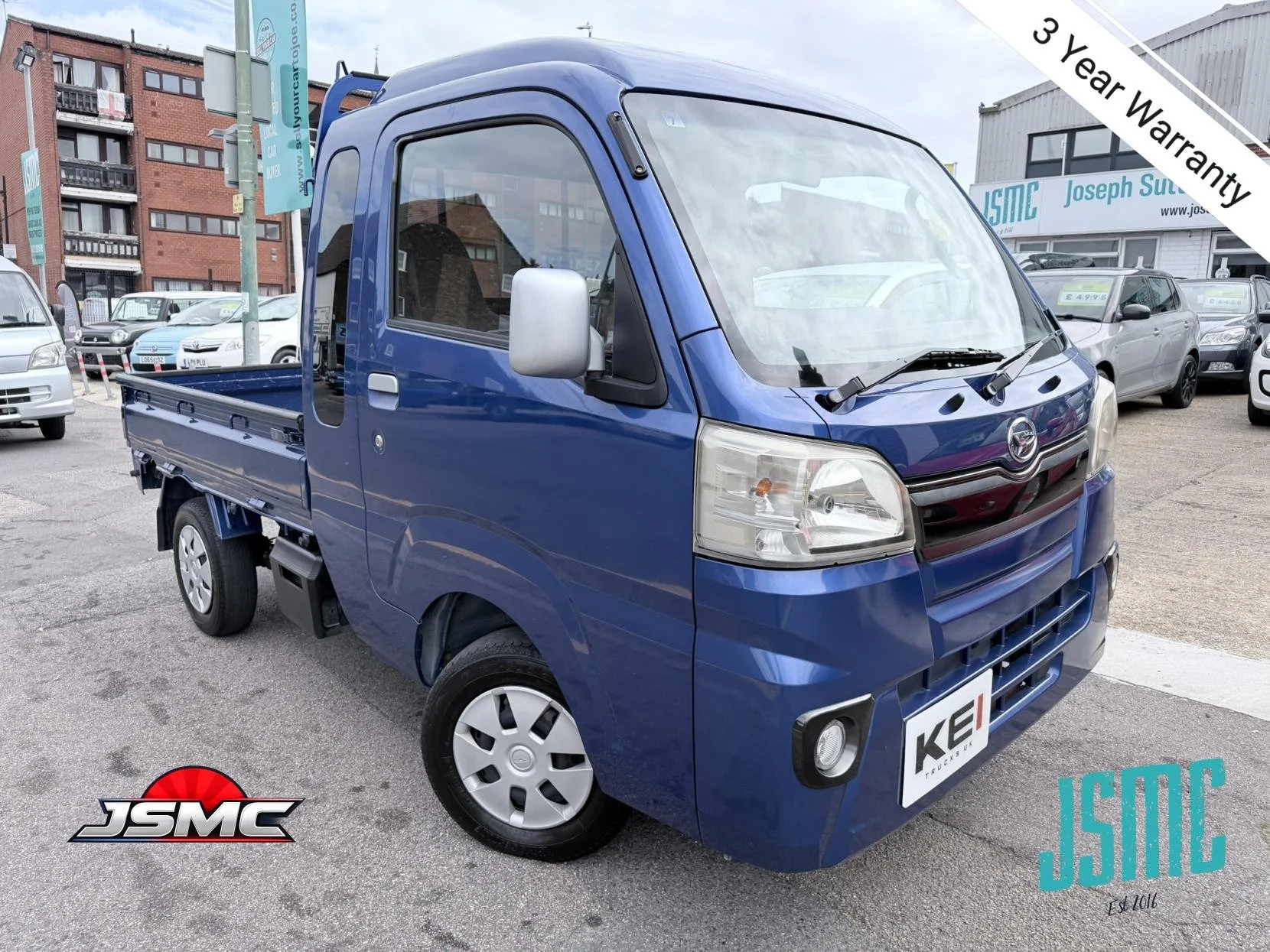
A blue metallic Hijet Jumbo offering the comfort of the extended cab with automatic transmission, selectable 4WD and air conditioning.
KEY SPECIFICATION
• 2016
• 46,603 miles / 75,000km
• 660cc petrol
• Automatic transmission
• Selectable 4WD
• Jumbo extended cab
• Air conditioning
• Power steering and electric windows
• Japanese auction grade 3.5
• Blue metallic
WHY IT STANDS OUT
A practical all-round specification for work, leisure or everyday use, with more cabin space than a standard Hijet.
Selected in Japan for condition and specification, then prepared for UK roads. Supplied and sold by Joseph Sutton Motor Company Ltd. Finance, part exchange and nationwide delivery are available.
JAPANESE IMPORT WARRANTY OFFER — 1 OCTOBER–31 DECEMBER 2026
This Japanese import includes a 36-month National Warranties warranty, upgraded from our usual 24 months. Breakdown recovery is included for the full 36-month warranty term. You can use any garage, not only VAT-registered garages, subject to the warranty terms and claims procedure. This offer applies to Japanese imports only. Ask our team for the cover details, exclusions and claims process before purchase.
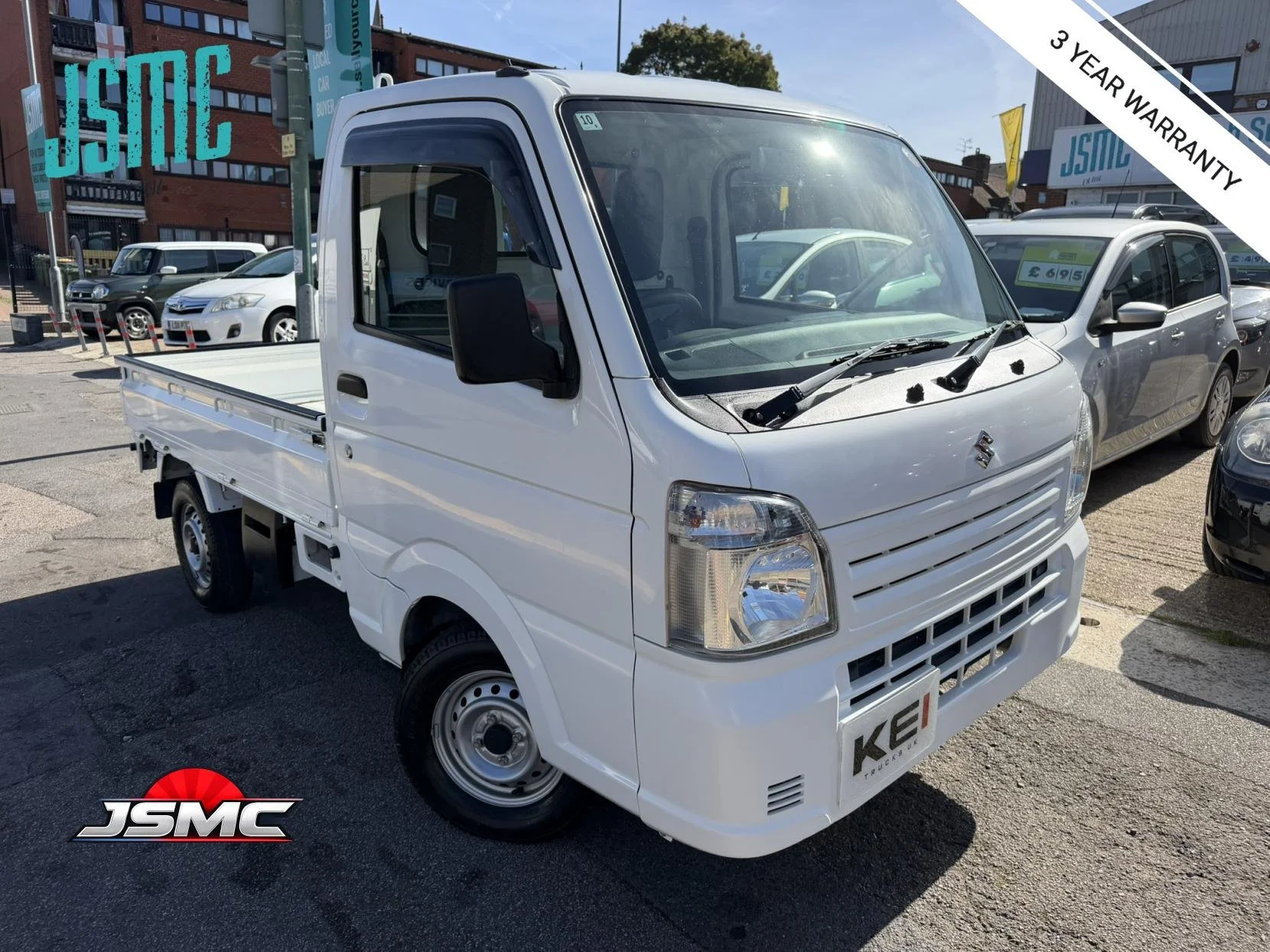
A very low-mileage Suzuki Carry 4WD with the simple, dependable specification that has made these trucks popular with working buyers.
KEY SPECIFICATION
• 2013
• 11,806 miles
• 660cc petrol
• 5-speed manual
• Selectable 4WD
• Air conditioning
• Power steering
• Japanese auction grade 4
• White
WHY IT STANDS OUT
Compact dimensions, low running costs and selectable 4WD make it well suited to farms, campsites, estates and narrow country lanes.
Selected in Japan for condition and specification, then prepared for UK roads. Supplied and sold by Joseph Sutton Motor Company Ltd. Finance, part exchange and nationwide delivery are available.
JAPANESE IMPORT WARRANTY OFFER — 1 OCTOBER–31 DECEMBER 2026
This Japanese import includes a 36-month National Warranties warranty, upgraded from our usual 24 months. Breakdown recovery is included for the full 36-month warranty term. You can use any garage, not only VAT-registered garages, subject to the warranty terms and claims procedure. This offer applies to Japanese imports only. Ask our team for the cover details, exclusions and claims process before purchase.
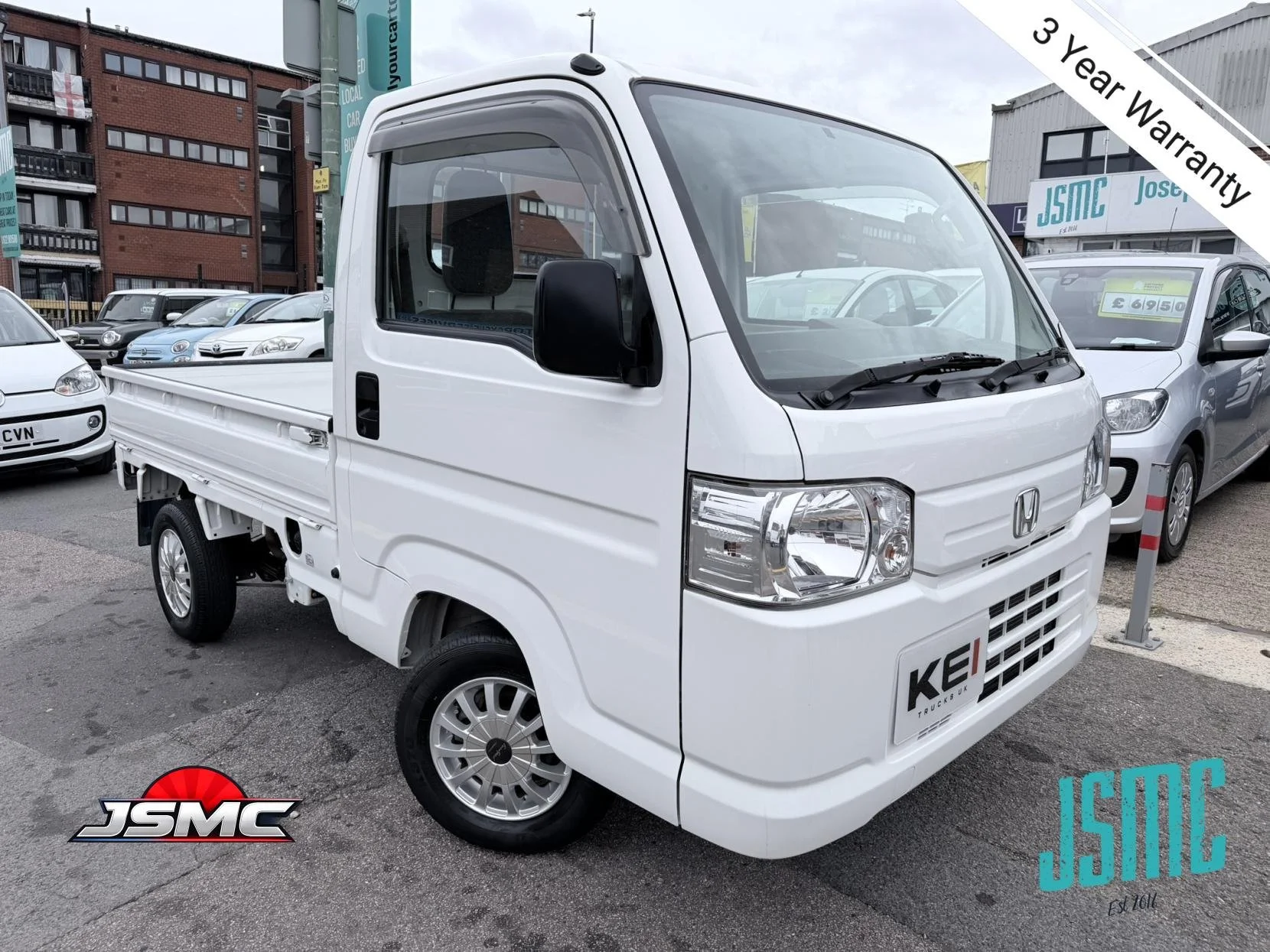
A low-mileage Honda Acty SDX combining Honda engineering with a simple manual gearbox and selectable four-wheel drive.
KEY SPECIFICATION
• 2014
• 37,282 miles / 60,130km
• 660cc petrol
• 5-speed manual
• Selectable 4WD
• Air conditioning
• Power steering
• Japanese auction grade 4
• White
WHY IT STANDS OUT
A dependable compact pickup for muddy tracks, farms, woodland and country estates, with the manoeuvrability to work in confined spaces.
Selected in Japan for condition and specification, then prepared for UK roads. Supplied and sold by Joseph Sutton Motor Company Ltd. Finance, part exchange and nationwide delivery are available.
JAPANESE IMPORT WARRANTY OFFER — 1 OCTOBER–31 DECEMBER 2026
This Japanese import includes a 36-month National Warranties warranty, upgraded from our usual 24 months. Breakdown recovery is included for the full 36-month warranty term. You can use any garage, not only VAT-registered garages, subject to the warranty terms and claims procedure. This offer applies to Japanese imports only. Ask our team for the cover details, exclusions and claims process before purchase.
More than trucks. A movement.
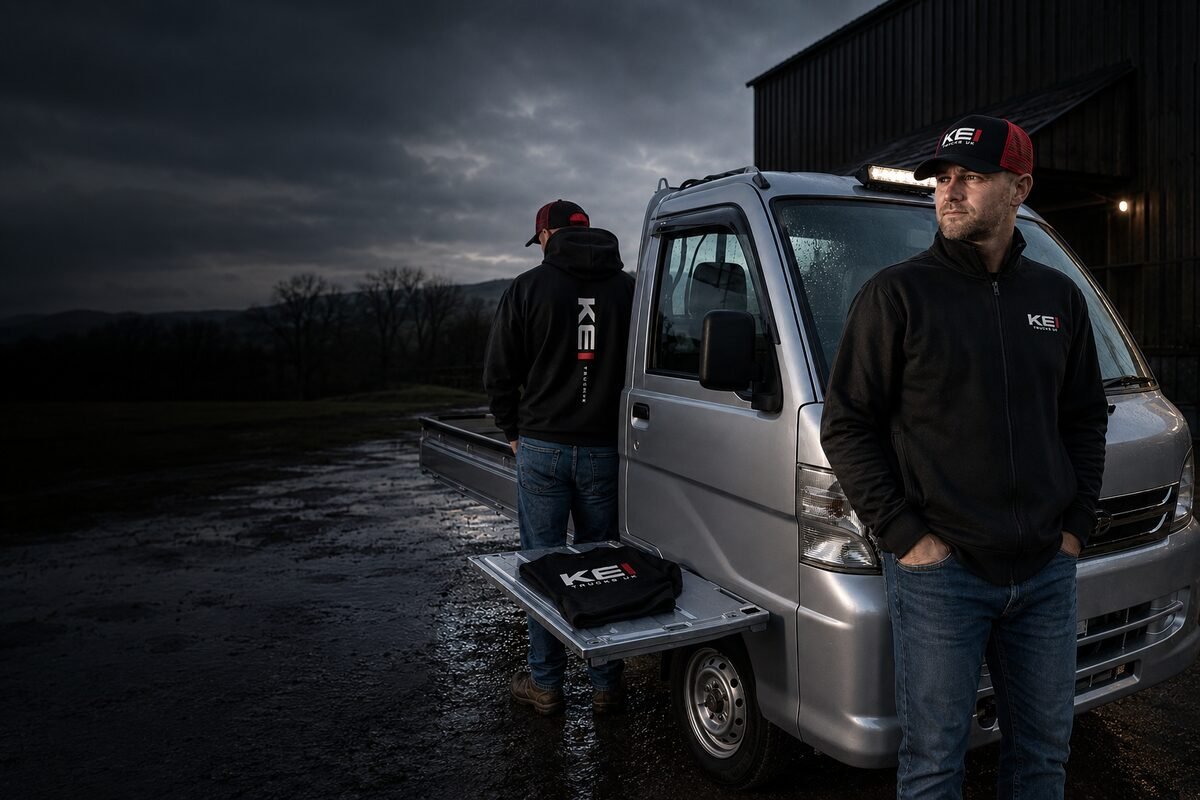
From hard-working Japanese mini trucks to parts, upgrades and branded gear, Kei Trucks UK is building the home of the UK’s Kei truck community.
Why buy from Kei Trucks UK
Selected in Japan. Prepared in the UK.
HAND-SELECTED STOCK
We buy for condition, specification and individuality—not simply the cheapest truck.
PROPER UK PREPARATION
Every vehicle is inspected, serviced and converted correctly before delivery.
BUILT FOR UK CONDITIONS
Fresh MOT, underbody protection and warranty support are included where applicable.
SUPPORT AFTER THE SALE
UK delivery, parts, upgrades and straightforward specialist advice.